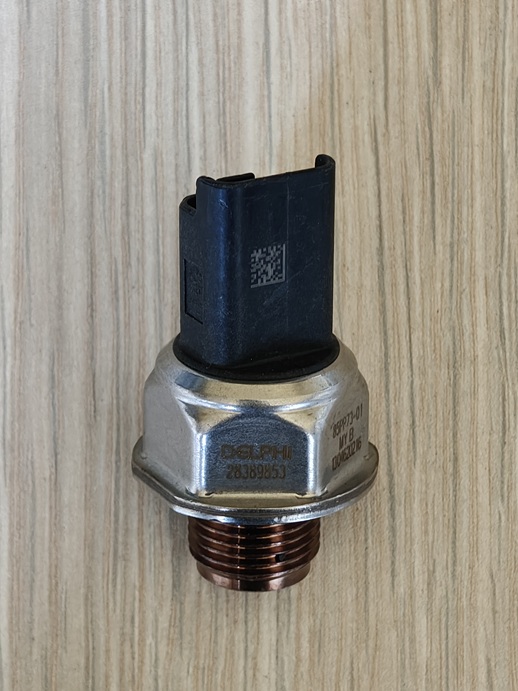
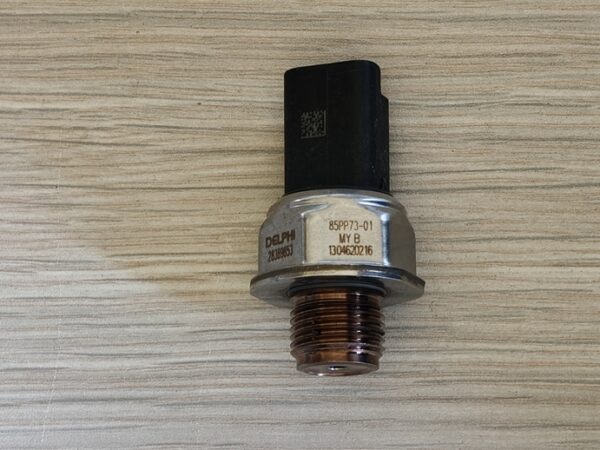
Delphi 85PP73-01 Fuel Rail Pressure Sensor for Nissan and Renault.
The Delphi 85PP73-01 (28389853) Fuel Rail Pressure Sensor is a critical component for maintaining the fuel system integrity of modern common rail diesel engines. it provides real time high accuracy pressure data to the engine control unit (ECU)
By ensuring the ECU receives precise voltage signals, This sensor allows for optimal fuel injection timing and volume. This results in smoother idling, improved fuel economy, and a significant reduction in exhaust emissions.
Key Features:
- Precision Monitoring: Tracks fuel rail pressure fluctuations to prevent engine surging or stalling.
- Plug-and-Play Fit: Designed for a direct replacement without modification.
- Enhanced Performance: Corrects “Limp Mode” issues and fault codes related to fuel rail pressure.
Vehicle Application:
This sensor is specifically engineered for 2.3dCi diesel engines.
- Nissan: Navara 2.3dCi (YD23 / D23)
- Renault: Master 2.3dCi
Signs of a Failing/Faulty Pressure Sensor:
- Check Engine Light; Diagnostic codes specifically targeting the fuel rail.
- Difficulty Starting: Increased cranking time or failure to start when warm.
- Loss of Power: Sudden “Limp Mode” activation during acceleration.
- Poor Fuel Economy: Inefficient combustion leading to higher fuel consumption.
Frequently asked questions
What are the symptoms of a faulty Fuel Rail Pressure Sensor?
Common signs include the engine entering “Limp Mode”, difficulty starting, or rough idle. You may also notice a drop in fuel efficiency, and a check engine light displaying codes like PO191.
Which Vehicles use the Delphi 85PP73-01 fuel rail pressure sensor?
It is primarily designed for 2.3dCi engines for Nissan Navara 2.3dCi (YD23/D23″, and Renault Master 2.3dCi.
Can I replace the 28389853 sensor myself?
While it is a plug-and-play fit, you must depressurise the fuel system first. because common rail systems operate at extremely high pressure, professional installation is recommended to avoid injury or furl system contamination.
Does this sensor require programing after installation?
Usually, no, once the new sensor is installed, the ECU should recognize the signal. However, you may need a diagnostic tool to clear existing fault codes, to take the vehicle out of limp mode.